There is a distinct, unmistakable feeling that comes with the arrival of the first true cold snap of the year. You settle onto the couch with a hot drink, ready to relax, only to notice a subtle, chilly draft creeping across your ankles. You walk over to the window, check the thermostat, and realize the furnace has been running non-stop for two hours, yet the house still feels strangely cool. Moments like these reveal a frustrating truth: keeping a home comfortable during winter requires far more than simply cranking up the thermostat.
When cold weather settles in, your home becomes a battleground between indoor warmth and outdoor frost. Heat continuously attempts to escape through microscopic gaps, uninsulated attic spaces, and thin wall assemblies, while freezing air pushes its way inward. Beyond basic temperature control, winter puts immense physical stress on your entire property. Plumbing lines freeze and burst, heating units fail under heavy workloads, and structural elements expand and contract under relentless weather conditions.
Protecting your home against winter comfort losses is not just about avoiding chills; it is about safeguarding your financial investment, lowering monthly utility costs, and preventing catastrophic property damage. By taking a comprehensive, whole-home approach to winter prep, you can ensure that your indoor space remains a warm, secure sanctuary no matter how harsh the weather gets outside.
Fortifying Exterior Envelopes Against Cold Air and Moisture Intrusion
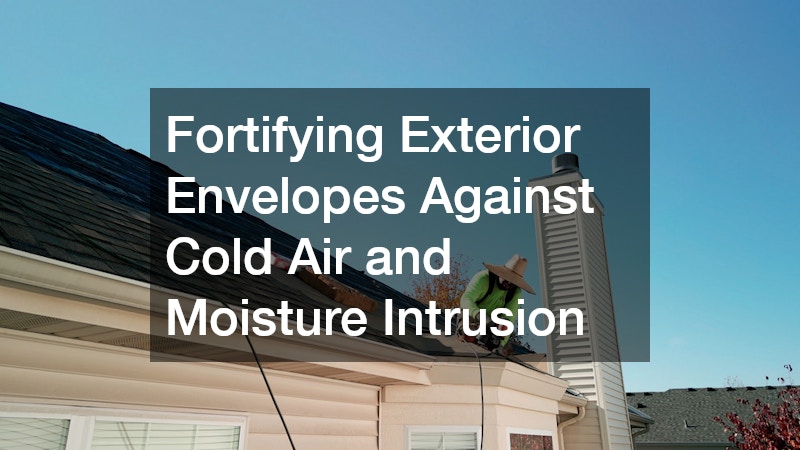
When you evaluate how well your home retains heat, it helps to imagine the structure wearing a heavy winter coat. If that coat has torn seams, broken zippers, or thin spots, the biting wind will find its way inside instantly. The exterior shell of your house—composed of your siding, roof, windows, and entry doors—serves as that primary protective barrier. When exterior materials degrade or shift due to seasonal temperature swings, cold air penetrates the envelope, forcing your interior systems to work twice as hard.
A thorough exterior inspection should always begin from the ground up, paying close attention to material overlaps and seals. Look closely at the areas where different materials meet, such as the junction between your foundation and your exterior walls, or the trim surrounding exterior windows and doors. Over time, caulking dries out, cracks, and pulls away, creating microscopic channels for icy drafts. Re-caulking these gaps with a high-grade silicone or polyurethane sealant is one of the most effective afternoon projects a homeowner can undertake.
However, perimeter air leaks are often secondary to broader structural vulnerabilities across your exterior walls and roofline. The materials protecting your facade endure constant thermal expansion and contraction. When winter storm winds howl, compromised wall panels or missing shingles allow freezing air to bypass your insulation entirely, chilling interior drywall from the outside in. If you sit near an exterior wall on a windy night and feel a sudden drop in temperature, that localized chill is rarely an HVAC issue—it is a direct sign that your exterior shell has been breached.
If you notice warped panels, cracked boards, or loose trim along your exterior, bringing in a reputable siding company can resolve hidden thermal gaps before sub-zero temperatures arrive. These specialists can repair loose sections, install modern vapor barriers, and ensure that wind cannot penetrate into your wall cavities.
Simultaneously, you must look upward to the roofline, which bears the brunt of winter precipitation. Missing shingles, damaged flashing around chimneys, and degraded ice-and-water shields create direct pathways for melting snow to seep into attic insulation. Wet insulation loses its thermal resistance completely, turning a warm attic space into a major source of heat loss. Scheduling a targeted roof repair prior to heavy snowfall guarantees that your attic insulation stays dry and your roof deck remains structurally sound under heavy ice loads.
Modernizing Mechanical Systems for Maximum Energy Retention
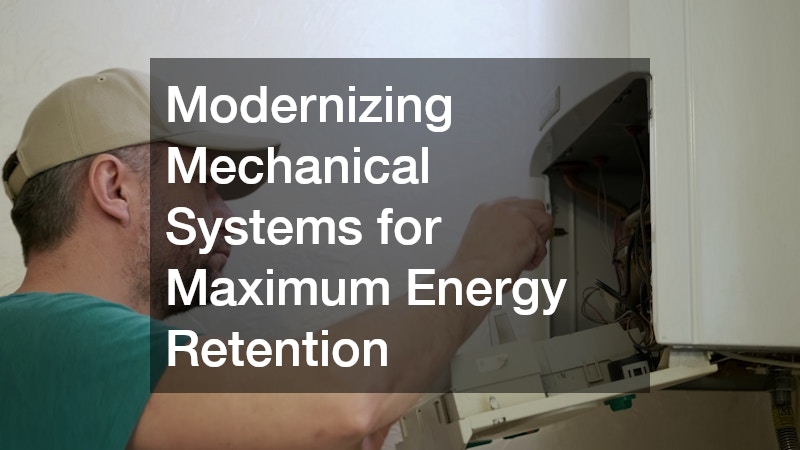
Once your home’s outer shell is secure, your primary focus must shift to the mechanical systems tasked with generating and distributing heat. An inefficient heating system does not merely increase your monthly bills; it creates inconsistent temperatures across different rooms, leaving some spaces sweltering while others remain uncomfortably cold. Achieving uniform warmth requires a systematic approach to maintenance, airflow management, and mechanical optimization.
Step 1: Optimize Air Delivery and Flow Dynamics
Start with the simplest, high-impact adjustment: changing your system’s air filter. A clogged filter restricts airflow, forcing the blower motor to draw more electricity while pushing less warm air into your living spaces.
Next, walk through every room to confirm that supply registers and return vents are entirely unobstructed by furniture, rugs, or drapes. To optimize circulation further, switch your ceiling fan directional settings to run clockwise at the lowest speed. This creates a gentle updraft that pushes the warm air lingering near the ceiling back down into the living zone without creating a cooling breeze.
Step 2: Schedule Comprehensive Professional Diagnostics
Filters and vents are only part of the equation; internal components require professional calibration. Furnace burners accumulate carbon deposits, igniters wear down, and blower wheels collect heavy dust layers that degrade total system performance.
Partnering with an experienced HVAC company for an autumn tune-up guarantees that fuel burns efficiently, safety controls function properly, and distribution networks operate at peak efficiency. These technicians can also test static pressure, check heat exchangers for dangerous cracks, and calibrate your thermostat to ensure accurate temperature readings throughout the season.
Step 3: Service Alternative Hydronic and Boiler Networks
For homes relying on radiant water or steam heating rather than forced air, system maintenance takes on a slightly different form. Radiator networks rely on precise pressure levels and clean fluid pathways to deliver steady, ambient warmth throughout multi-story layouts. Air trapped inside radiator units prevents hot water from circulating fully, leaving the tops of radiators cold to the touch.
Bleeding air from individual radiator valves restores proper circulation, but underlying mechanical issues require deeper attention. Staying ahead of minor system noises, pressure fluctuations, or valve leaks by arranging timely boiler repairs prevents sudden heating dropouts during extreme cold spells. Addressing these hydronic issues early keeps radiant systems operating quietly and effectively, preserving steady baseline heat in every room.
Preserving Water Infrastructure and Preventative Plumbing Care

There are few winter scenarios more disruptive than waking up to a frozen or burst pipe. Beyond the immediate panic and expensive structural cleanups, plumbing failures destroy home comfort in an instant, often leaving families without hot water or functioning facilities for days. Water expands as it freezes, placing immense pressure on metal and plastic pipes alike. Protecting your plumbing infrastructure requires a dual focus: insulating vulnerable lines and maintaining the heating appliances that supply your hot water.
Consider a common scenario: a homeowner notices that the master bathroom sink runs slightly slower on sub-zero mornings. They might brush it off as a minor quirk, assuming the system is just “waking up.” In reality, that drop in flow is an early warning sign that water inside an exterior wall pipe is actively slush-forming and expanding. Without immediate intervention, that restricted pipe can split wide open, flooding floorboards and destroying structural framing.
To prevent this nightmare, start by identifying all uninsulated water lines passing through unconditioned spaces—such as unheated basements, crawlspaces, attics, and exterior-facing cabinets. Wrap these pipes in thick, pre-slit foam insulation sleeves, paying extra attention to joints and elbows. During periods of extreme, sustained freezes, open cabinet doors under sinks to allow ambient room heat to circulate around hidden plumbing, and let vulnerable faucets drip slightly to relieve line pressure.
While keeping pipes warm prevents sudden bursts, you must also consider the health of your primary hot water source. Winter places increased demand on water heaters because incoming municipal water temperatures drop significantly. If your unit is struggling with sediment buildup or aging heating elements, you will notice shower temperatures fluctuating wildly or hot water running out in minutes.
- Monitor System Diagnostics: Listen for rumbling or popping sounds coming from your water tank, which indicate heavy sediment buildup at the bottom of the vessel.
- Seek Swift Repairs: At the first sign of lukewarm output or slow recovery times, schedule professional water heater repair to replace failing heating elements, flush out mineral scale, and check pressure relief valves.
- Address Mineral Hardness: High concentrations of dissolved minerals coat heating elements, acting as an insulating barrier that slows thermal transfer and degrades efficiency over time.
- Upgrade Water Quality: Investing in a high-efficiency water softener installation removes scale-forming minerals before they ever reach your water heater or pipe networks. This single upgrade extends the lifespan of your plumbing, keeps heating elements clean, and ensures robust hot water performance even when winter usage spikes.
Maintaining Sanitation Lines and Preventing Foundation Drainage Backups
While heat retention gets the vast majority of attention during winter prep, management of water drainage—both inside and outside your home—is equally vital to preserving comfort. Winter conditions present unique challenges for waste lines and foundation drainage systems. Freezing temperatures can turn minor outdoor pooling into massive structural hazards, while cold indoor temperatures can cause waste lines to clog far more easily than they do in summer.
Outdoors, your gutter and downspout network serves as the primary defense against foundation damage. Autumn leaves, twigs, and roof grit collect in gutters, creating dense blockages. When winter snow falls on a warm roof, it melts, flows into the clogged gutter, and quickly refreezes in the cold air. This process forms heavy ice dams that pull gutters away from fascia boards and push melting water back up underneath your roof shingles.
Furthermore, downspouts that discharge too close to your home allow water to pool around foundation footings. When that soil freezes and expands, it exerts lateral pressure against foundation walls, causing micro-cracks that welcome cold drafts and dampness into your basement. Extending downspouts at least five feet away from your foundation wall ensures that snowmelt drains safely clear of your home’s envelope.
Indoors, waste lines face a parallel set of cold-weather risks. Fats, oils, and grease poured down kitchen drains might slide easily through warm pipes during midsummer, but winter introduces a completely different dynamic. As underground soil temperatures plummet, the chilled earth cools the main sewer lines running beneath your yard. When warm grease flows out of your warm indoor kitchen and hits these icy underground pipes, it undergoes rapid cooling and solidifies directly onto the pipe walls, trapping food particles and hair until a dense line obstruction forms.
Performing routine drain cleaning before the holiday hosting season clears away accumulated grease and debris, ensuring that kitchen and bathroom drains flow freely regardless of how cold the ground becomes.
If you suspect deeper main line issues—such as slow drainage across multiple fixtures or strange gurgling noises from your lowest toilet—it is wise to call a certified plumber for a video pipe inspection. These experts can identify structural pipe bellies, sagging joints, or minor tree root intrusions that freeze-thaw cycles can aggravate into full-scale line failures. Addressing these subsurface plumbing vulnerabilities early guarantees that your household sanitation operates quietly and reliably all season long.
Enhancing Interior Heat Retention and Restoring Structural Elements
Creating a truly cozy winter environment extends beyond basic mechanical efficiency and structural integrity; it involves refining your primary living spaces so they feel inviting, quiet, and warm. Even a home with a brand-new furnace and a sealed roof can feel uncomfortable if interior draft points remain unchecked or secondary heat sources are neglected. Focusing on room-by-room detailing ensures that every square foot of your living space retains heat effectively.
Start by examining the interior surface of your perimeter walls. Many homeowners do not realize that electrical outlets, switch plates, and baseboards along exterior walls can leak substantial amounts of cold air. Removing outlet covers and installing inexpensive foam insulation gaskets behind them instantly blocks hidden air pathways. Similarly, heavy insulated curtains or cellular shades hung over large window expanses act as thermal blankets, capturing radiant heat inside during cold nights while allowing sunlight to warm the space naturally during the day.
Secondary heating elements, like traditional wood-burning hearths or modern gas log inserts, offer incredible ambiance and supplemental warmth—provided they are maintained properly. A neglected fireplace can actually pull warm air out of your home through an open or misaligned damper, acting like an open window in the middle of your living room.
Before lighting your first fire of the season, check that the damper opens and closes smoothly and forms a tight seal when shut. If your fireplace features glass doors, inspect the gasket material around the frame to ensure cold air cannot seep past the glass when the fireplace is not in use.
If you notice mortar decay inside the firebox, rusted damper mechanisms, or malfunctioning gas igniters, scheduling professional fireplace repair is essential for home safety and heating efficiency. Restoring these features ensures that your secondary heat source burns cleanly, safely vents dangerous gases outdoors, and keeps your main living area comfortably warm during seasonal power outages.
Finally, do not overlook the condition of your interior walls and ceilings. Summer humidity followed by winter dry spells causes building materials to shift, revealing thin cracks along sheetrock seams and corner beads. More critically, past water leaks from ice dams or plumbing issues can weaken sheetrock, leaving behind soft spots and hidden air channels that compromise room insulation.
Hiring a professional drywall contractor to repair damaged sheetrock, re-tape cracked seams, and patch holes restores the structural barrier of your interior rooms. Smooth, fully sealed drywall stops subtle drafts dead in their tracks, holds ambient warmth inside your living spaces, and leaves your home looking immaculate for the winter months ahead.
Enjoying a Warmer, More Energy-Efficient Living Space
Transforming your home into a cozy, cold-weather haven is a multi-step journey, but the rewards are well worth the effort. By systematically addressing vulnerabilities across your exterior envelope, optimizing heating equipment, safeguarding plumbing lines, and perfecting your interior living spaces, you establish a powerful defense against winter comfort losses.
Taking these proactive measures completely changes your experience of the season. Instead of worrying about sudden mechanical breakdowns, skyrocketing energy bills, or icy drafts creeping through living areas, you can sit back and truly enjoy the quiet warmth of your home. A well-prepared house doesn’t just withstand harsh winter conditions—it provides a safe, welcoming, and consistently comfortable sanctuary for you and your family all season long. Now is the perfect time to walk through your space, complete your seasonal checklist, and prepare your home for the months ahead.