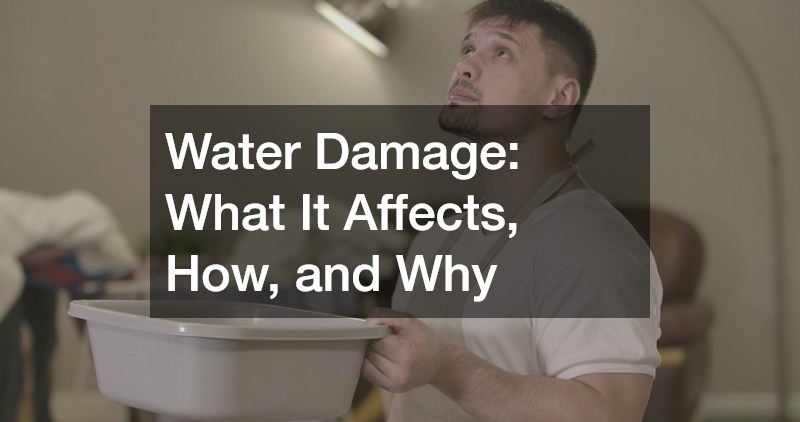
Water damage is a pervasive issue that affects countless homes and businesses each year. Whether stemming from natural disasters or internal problems, its impact can be both substantial and costly. Understanding the prevalence and significance of water damage is crucial for property owners looking to protect their investments.
In both residential and commercial contexts, water damage can lead to extensive structural issues and health concerns if left unaddressed. This article will delve into the various sources and consequences of water damage, emphasizing the importance of timely restoration to minimize future risks.
What Are the Main Sources of Water Damage?
Water damage can originate from a wide array of sources, each posing distinct risks and challenges. Natural disasters, such as hurricanes, floods, and heavy storms, are significant contributors, often causing widespread destruction in affected areas. The force of these natural events can overrun drainage systems, leading to severe inundation of properties. Additionally, heavy rains and flooding can slowly seep into structures, weakening foundations and leading to long-term damage. Understanding these sources helps property owners prepare for and respond to potential incidents.
In addition to natural causes, plumbing issues are a common source of water damage, frequently resulting from burst pipes, leaky faucets, or malfunctioning appliances. These issues, if not promptly addressed, can lead to the accumulation of water in walls, ceilings, and floors, further exacerbating structural problems. Regular maintenance of plumbing systems is essential to identify and fix minor leaks before they escalate into significant issues. Home appliances, such as washing machines, dishwashers, and water heaters, also pose risks if they malfunction, potentially causing sudden and extensive water leakage. By recognizing these vulnerabilities, homeowners can take preventive steps to mitigate potential water damage.
Household appliances can be deceptively risky, as their utility often masks the potential for water damage. Faulty hoses, improper installation, or lack of maintenance can lead to water leakage that affects both appliances and surrounding structures. Left unchecked, even a small leak can escalate, resulting in expensive repairs and restoration. Regular inspections and upkeep of these appliances can prevent unexpected failures and subsequent water damage. By staying vigilant about the conditions of appliances’ operational integrity, homeowners can minimize risks and avoid costly incidents.
How Does Water Damage Affect Structures and Health?
Structural integrity is often compromised when water damage occurs, posing serious threats to the safety and durability of buildings. The absorption of water leads to warping, swelling, and weakening of building materials, jeopardizing the stability of walls, floors, and ceilings. Prolonged exposure results in rot and decay, turning what might seem like minor problems into significant hazards. Restoration efforts become more arduous and expensive as the extent of the damage increases over time. Thus, recognizing the signs of water damage early can prevent substantial structural repairs.
Beyond just structural damage, water damage has significant implications for human health, primarily through the growth of mold and allergens. When moisture accumulates, it creates an ideal breeding ground for mold, which can release spores into the air. These spores are known allergens and can trigger respiratory issues, allergic reactions, and even more severe health problems with prolonged exposure. Poor air quality resulting from mold growth can affect the health and well-being of everyone in the affected environment. Effective and timely water damage restoration is crucial to maintain health standards and ensure indoor air quality.
Why Is Timely Water Damage Restoration Crucial?
Quick restoration following water damage is imperative for minimizing further damage and associated costs. Acting swiftly can prevent the progression of damage that could lead to more complicated and expensive repairs. Timely intervention can mitigate risks, such as mold growth and structural deterioration, saving property owners significant sums in both the short and long term. The faster the response, the fewer materials will need to be replaced, resulting in substantial cost savings. Moreover, reduced downtime for businesses means operational continuity and less revenue loss.
Procrastination in addressing water damage can result in escalating issues that are detrimental to property values and safety. The longer water sits, the more it will permeate materials, causing more extensive damage that is harder to repair. Mold can grow within 24 to 48 hours in favorable conditions, underscoring the necessity for immediate action. Recognizing the urgent nature of water damage allows property owners to manage and prioritize restoration processes effectively. Addressing these issues early ensures a safer environment and protects investment value.
Water damage presents significant dangers if not adequately addressed, affecting both structures and human health. By understanding the common sources, such as natural disasters and plumbing failures, homeowners and business operators can take preventative measures. Timely water damage restoration is critical to mitigate the detrimental effects, ensuring both short-term and long-term benefits. Awareness and proactive measures enable individuals and businesses to protect their investments and maintain safe living and working conditions. Ultimately, the effective management of water damage involves both readiness to prevent incidents and swift action to restore conditions when they arise.