
A home’s value depends on more than its appearance or the latest design trends. Buyers and homeowners also care about dependable systems, sound construction, manageable operating costs, and spaces that support daily routines. Small problems can gradually affect these qualities, especially when moisture, temperature changes, or aging materials go unaddressed. Thoughtful maintenance helps prevent avoidable deterioration, while carefully chosen renovations can make a property more appealing and functional.
Maintaining a home does not require replacing everything at once. Instead, owners can identify risks, prioritize essential repairs, and schedule improvements around their budgets. A practical plan considers both visible features and less noticeable components, including drainage, plumbing, heating, and ventilation. Understanding how these elements work together makes it easier to spend money where it will have a lasting impact. The following areas deserve attention when protecting a property’s condition and planning improvements that remain useful over time.
Assess the Property Before Planning Improvements
Effective home improvements begin with an honest assessment of current conditions. Walk through each room and examine the exterior, looking for signs of wear, water damage, shifting materials, or equipment that struggles to perform. Note recurring issues rather than treating each symptom as a separate inconvenience. A stain near a ceiling, for example, might indicate a roofing or plumbing problem that should be investigated before cosmetic repairs begin.
Create a record of observations, including photographs, dates, and any previous repair work. Maintenance records can help professionals understand whether a problem is new, seasonal, or persistent. They also give homeowners useful information when comparing estimates or preparing to sell.
Next, separate projects into immediate safety concerns, preventive work, and optional upgrades. Active leaks, electrical hazards, structural concerns, and failed heating equipment generally deserve attention before decorative changes. Preventive tasks may include servicing equipment, sealing small gaps, or addressing drainage problems before serious damage develops. Optional work, such as updating finishes, can follow once the underlying systems are in good condition.
Consider the age and expected service needs of major components, but avoid replacing functional equipment solely because it is older. A qualified professional can evaluate performance and explain available options. Establishing priorities this way helps prevent an expensive renovation from hiding unresolved defects. It also allows homeowners to distribute costs across seasons while making steady progress toward a safer, more comfortable property.
Protect the Roof From Progressive Damage
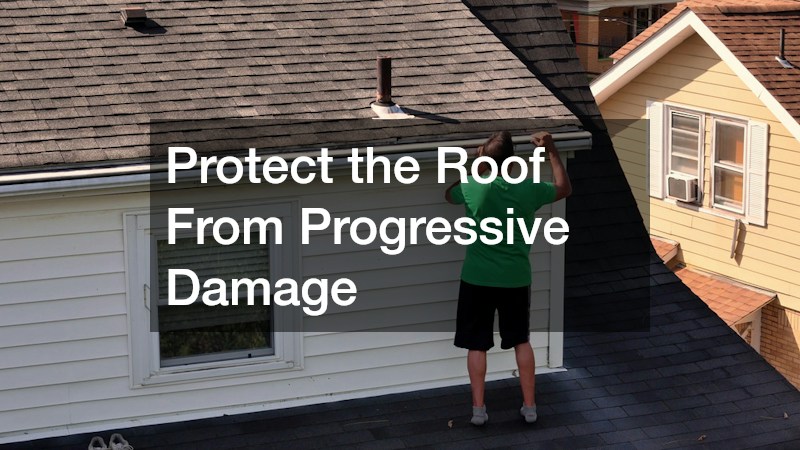
A roof protects interior finishes, insulation, framing, and personal belongings from the weather. When its condition declines, damage may spread beyond the area where water first enters. Missing shingles, loose flashing, damaged vents, or deteriorating sealants can create openings that are difficult to see from the ground. Regular visual checks, particularly after severe storms, help homeowners recognize warning signs before they become larger problems.
Professional roof repairs may address isolated defects without requiring an immediate full replacement. The appropriate approach depends on the roofing material, age, extent of damage, and condition of underlying components. A contractor should explain what caused the issue and whether surrounding areas need attention. Simply covering a leak without identifying its source can leave hidden moisture behind and allow the same problem to return.
Storm damage requires a different level of urgency. When water is entering living spaces or sections of roofing have been displaced, emergency roofing companies may provide temporary protection while a permanent repair is planned. Homeowners should avoid climbing onto a wet or damaged roof to investigate. Document visible damage from a safe location, protect belongings when possible, and contact appropriate professionals for an assessment.
Beyond repairs, keep nearby branches managed and confirm that attic ventilation and insulation are working as intended. Consistent attention preserves the building envelope and reduces the chance that a localized roofing issue will affect several rooms.
Manage Gutters and Exterior Drainage
Rainwater should move away from the roof, siding, foundation, and surrounding soil in a controlled manner. Gutters and downspouts provide a path for runoff, but debris, loose fasteners, poor alignment, and damaged sections can interfere with that flow. Water spilling over an edge may stain exterior surfaces or collect close to the foundation. Over time, repeated saturation can contribute to basement moisture and damage to nearby materials.
Inspect accessible drainage areas from the ground, especially during periods of heavy rainfall. Look for overflowing gutters, disconnected downspouts, pooling water, and visible sagging. Professional gutter repair can address loose joints, damaged brackets, leaking seams, or improperly positioned components. In some cases, replacement of a section may be more sensible than repeated patching. The goal is to restore reliable drainage rather than improve appearance alone.
Cleaning is equally important. Leaves, twigs, and accumulated grit can block outlets even when the rest of the system appears intact. Because ladders and roof edges present fall hazards, homeowners should use professional help when access is difficult or unsafe. A clear downspout needs a suitable discharge location away from vulnerable areas.
Soil grading, landscaping, paved surfaces, and drainage outlets all influence where water travels after a storm. If water repeatedly gathers near the house, examine the broader site before making isolated fixes. Addressing the entire route of runoff can protect landscaping, foundation areas, and interior spaces from preventable moisture exposure.
Maintain Heating and Cooling Performance
Comfortable indoor temperatures matter to daily life, but heating and cooling systems also influence humidity, airflow, and energy use. Equipment that runs continuously, distributes air unevenly, or produces unfamiliar sounds may need attention. Ignoring these changes can allow minor performance issues to become disruptive failures. Scheduled inspections make it easier to understand system condition and plan for repairs before peak seasonal demand.
Routine HVAC services may include checking controls, examining electrical components, cleaning appropriate parts, assessing airflow, and identifying maintenance needs. Homeowners can support system performance by replacing or cleaning filters when required, keeping supply vents unobstructed, and ensuring outdoor equipment has sufficient clearance.
Cold weather makes reliable heating particularly important. If a system cycles unusually, produces little warm air, or fails to start, furnace repair may be needed. A qualified technician can diagnose the cause and determine whether a component can be repaired or replacement deserves consideration. Problems involving gas appliances or suspected carbon monoxide require immediate safety precautions and appropriate emergency assistance, not improvised troubleshooting.
Major equipment decisions should account for installation quality, home size, insulation levels, and long-term operating needs. Properly selected equipment can support consistent temperatures without unnecessary strain. Maintenance documentation and informed upgrades may also reassure future buyers that essential systems have received attention throughout the property’s ownership.
Address Plumbing Problems Before They Spread
Plumbing is easy to overlook because much of it remains concealed behind walls or beneath floors. Yet small leaks can affect cabinetry, drywall, flooring, and framing long before obvious puddles appear. Watch for unexplained increases in water use, musty odors, discolored surfaces, low water pressure, or fixtures that drain unusually slowly.
A local plumbing company can inspect concerning symptoms, repair damaged connections, assess fixtures, and recommend practical improvements. Addressing a dripping supply line or failing shutoff valve promptly may prevent disruption later. Homeowners should also locate their main water shutoff and understand how to use it during a leak.
Water heaters deserve particular attention because their condition affects daily routines and nearby finishes. Signs such as inconsistent hot water, unusual noises, or moisture around the unit warrant evaluation. Depending on the problem, maintenance, targeted repairs, or replacement may be appropriate. Homeowners should follow manufacturer guidance and avoid attempting unfamiliar work involving electrical connections, gas lines, or pressurized components.
Renovation planning creates another opportunity to improve plumbing reliability. Before installing new cabinets or finishes, have existing lines and fixtures assessed if there are signs of wear or leaks. Coordinating necessary plumbing work with other projects can reduce the likelihood of reopening completed surfaces. A well-maintained plumbing system helps preserve materials throughout the house and supports comfortable, predictable use of kitchens, bathrooms, and laundry areas.

Improve Windows and Interior Efficiency
Windows contribute to natural light, ventilation, comfort, and the appearance of a home. They also form part of the barrier between indoor and outdoor conditions. Drafts, moisture between panes, damaged frames, or difficulty opening and closing a window can indicate that maintenance is needed. Some problems can be corrected with hardware adjustments, weatherstripping, or targeted sealing, while others call for more extensive work.
Before investing in window replacement, identify the source of the problem. Condensation on an interior surface may reflect indoor humidity conditions rather than a defective window. Water around a frame may come from exterior flashing or another nearby opening. A careful evaluation can prevent homeowners from paying for new products that do not resolve the underlying concern.
When replacement is justified, consider performance, durability, operation, and compatibility with the home’s design. Materials and glazing options vary, and the right choice depends on local weather, exposure, maintenance expectations, and budget. Proper installation is just as important as product selection. Gaps around a poorly installed frame can undermine comfort and create opportunities for moisture intrusion, regardless of the window’s advertised features.
Attic insulation, air sealing, exterior doors, and ventilation conditions can all influence temperature consistency. Not every home needs every upgrade at once. By identifying the most significant problems first, owners can pursue improvements that enhance everyday comfort while preserving the property’s appearance and avoiding unnecessary expenses.
Resolve Moisture and Mold Concerns
Moisture is a common thread connecting many home maintenance problems. Roof leaks, plumbing failures, poor drainage, and inadequate ventilation can all create damp conditions. Materials that remain wet may deteriorate, stain, develop odors, or support mold growth. Because moisture can travel through concealed spaces, visible damage does not always reveal the full extent of a problem. Early investigation helps limit disruption and protects surrounding materials.
When mold is suspected, identify and correct the source of excess moisture. Cleaning a surface without resolving a recurring leak is unlikely to provide a lasting solution. Small, limited problems may sometimes be addressed with appropriate precautions, but extensive growth, contaminated materials, or uncertain conditions require a more careful assessment. Qualified mold remediation specialists can evaluate affected areas, recommend containment methods, and determine what materials need cleaning or removal.
Avoid disturbing large areas of suspected mold without understanding the risks. Improper removal can spread dust and debris to other rooms. After remediation, damaged finishes may need replacement, but reconstruction should begin only after the area is appropriately dried and the moisture source is controlled. Otherwise, fresh drywall, flooring, or cabinetry could be exposed to the same conditions that caused the original damage.
Use ventilation where moisture is generated, address leaks promptly, and monitor spaces that repeatedly feel damp. Check around windows, under sinks, and near appliances for signs of water intrusion.

Renovate the Kitchen With Long-Term Use in Mind
Once essential systems and moisture problems are under control, interior improvements can increase comfort and everyday usefulness. The kitchen is a practical place to focus because it supports frequent activities and contains several interconnected features. Layout, lighting, storage, ventilation, and durable surfaces all influence how well the room works.
Begin kitchen remodeling by examining how people move through the space. Are preparation areas convenient? Do doors and drawers interfere with one another? Is there sufficient lighting where food is prepared? Answering these questions can reveal worthwhile improvements without assuming that every fixture or finish must be replaced.
Storage deserves special consideration. Thoughtful custom cabinet design can make better use of awkward corners, narrow walls, or specific organizational needs. Pullout shelves, appropriately sized drawers, and accessible compartments may improve convenience, but choices should reflect household routines and available space. Cabinet materials, hardware quality, and finishes also affect maintenance requirements over time.
Establish a realistic budget that includes preparation work, labor, materials, and a contingency for unexpected discoveries. Consider how flooring, countertops, fixtures, and cabinetry will withstand normal use rather than selecting each item in isolation. A cohesive design can look appealing while remaining practical for years. Most importantly, remember that renovations work best when they build on a sound foundation of ongoing maintenance. Protecting the roof, drainage, mechanical systems, and interior materials allows updated spaces to retain their usefulness and supports long-term property value.