Water heaters are essential appliances in our homes, providing comfort and convenience by delivering hot water for showers, cleaning, and other household needs. However, like any other appliance, they can encounter issues that require repair or maintenance. This blog post aims to answer some of the most frequently asked questions regarding water heater repair, helping you understand the common problems, solutions, and preventive measures. Whether you’re dealing with a leaking tank or inconsistent water temperatures, these FAQs will provide the insights you need to address your concerns effectively.
1. What Are the Signs That My Water Heater Needs Repair?
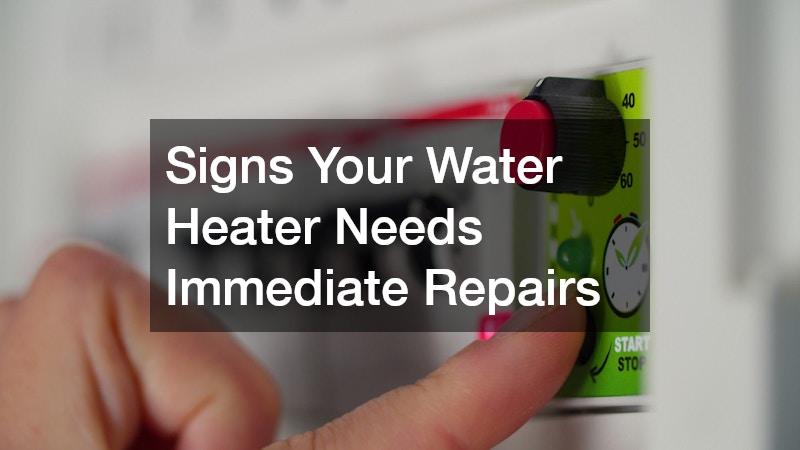
One of the first questions many homeowners ask is how to know if their water heater requires repairs. There are several indicators that you should be aware of. For instance, if you notice a lack of hot water or water that takes longer to heat, this is a strong signal that something is amiss with your heater. Additionally, unusual noises, such as popping or rumbling sounds, can indicate sediment buildup in the tank, which often requires professional cleaning or repairs. Lastly, visible leaks or water pooling around the heater are serious signs that warrant immediate attention, as they can lead to more significant damage if left unattended.
2. Can I Repair My Water Heater Myself?
While some homeowners may feel comfortable performing minor repairs on appliances, it is crucial to evaluate whether DIY repair is a safe and feasible option for your water heater. Basic tasks, such as replacing a thermostat or heating element, can typically be tackled by a knowledgeable homeowner with the right tools. However, more complex issues, like problems with the tank itself or electrical connections, should be left to professionals. Attempting to fix significant issues without the proper expertise can lead to further damage, higher repair costs, or even hazardous situations such as leaks or fires. Always weigh the risks and benefits before deciding to undertake a repair yourself.
3. How Often Should I Schedule Maintenance for My Water Heater?
Regular maintenance is crucial in extending the lifespan of your water heater and preventing unexpected breakdowns. It is generally recommended to have your water heater inspected at least once a year. This annual check-up can identify potential issues like sediment buildup, corrosion, or other wear and tear that might not be immediately obvious. During the maintenance appointment, a professional can flush the tank, inspect the anode rod, and perform any necessary repairs. By investing in regular maintenance, you not only enhance the efficiency of your water heater but also ensure a consistent supply of hot water for your household.
4. How Much Will Water Heater Repair Cost?
The cost of water heater repair can vary significantly based on several factors, including the type of water heater, the nature of the problem, and regional labor costs. On average, homeowners can expect to pay anywhere from $150 to $600 for most common repairs. If you’re facing a major issue, such as a tank replacement or an extensive plumbing overhaul, costs can escalate to upwards of $1,500. It’s always a good practice to obtain multiple estimates from licensed professionals to compare prices and services. Additionally, remember to ask about warranties for parts and labor, as this can help you manage potential future repair costs more effectively.
5. How Can I Prevent Future Water Heater Issues?
Preventive measures can help avoid common water heater issues and extend the lifespan of your unit. One of the simplest and most effective practices is to regularly check and flush your tank to eliminate sediment buildup, which can cause inefficiency and overheating. Ensuring that the temperature is set appropriately (around 120 degrees Fahrenheit is ideal) can also prevent overheating and reduce energy costs. Furthermore, insulate your water heater and pipes to maintain water temperature and reduce strain on the unit. Finally, consider regular professional inspections to identify and resolve any emerging issues before they escalate into costly repairs.
Understanding the basics of water heater repair can significantly ease the anxiety surrounding potential issues with this essential appliance. By recognizing the signs indicating the need for repairs, knowing what you can tackle yourself, and scheduling both maintenance and repairs at the correct intervals, you can ensure the longevity and efficiency of your water heater. While costs may vary, being proactive in addressing problems can save you money in the long run. Remember to practice preventive measures and consult professionals when necessary, ensuring that your water heater continues to provide the comfort of hot water for years to come.