Air conditioning systems play a vital role in maintaining comfort, especially during the hottest months of the year. When your cooling system is working properly, it quietly regulates temperature, controls humidity, and helps create a healthy indoor environment. But when something goes wrong, even small issues can quickly turn into major problems if left unaddressed.
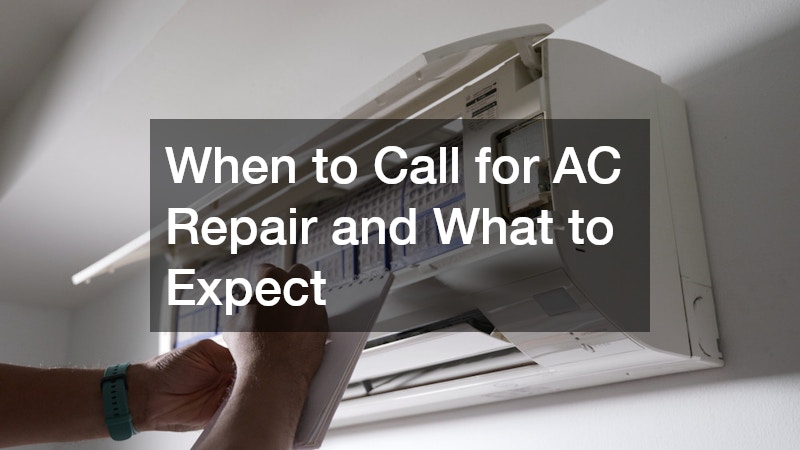
Knowing when to call for AC repair can save you time, money, and unnecessary stress. Understanding what to expect from a service visit also helps you feel more confident about the process.
In this guide, we’ll explore the common warning signs of trouble, why prompt action matters, what happens during a service appointment, and how to prevent future breakdowns.
Signs Your AC System Needs Professional Attention
Most air conditioning systems don’t fail without warning. In many cases, they provide clear signals that something is wrong. Recognizing these signs early can prevent more serious damage.
One of the most obvious red flags is warm air blowing from your vents. If your thermostat is set correctly but the air coming out isn’t cool, the issue could be related to refrigerant levels, a malfunctioning compressor, or restricted airflow. Any of these problems requires professional diagnosis.
Unusual odors coming from your vents can also signal trouble. A musty smell may point to mold or mildew buildup in the system, while a burning odor could suggest electrical problems. Both situations should be addressed promptly to protect your home’s air quality and safety.
Finally, frequent cycling — when the system turns on and off more often than usual — may indicate thermostat problems, electrical issues, or an improperly sized unit. If you notice any of these symptoms, scheduling AC repair sooner rather than later is a wise decision.
Why Timing Matters for AC Issues
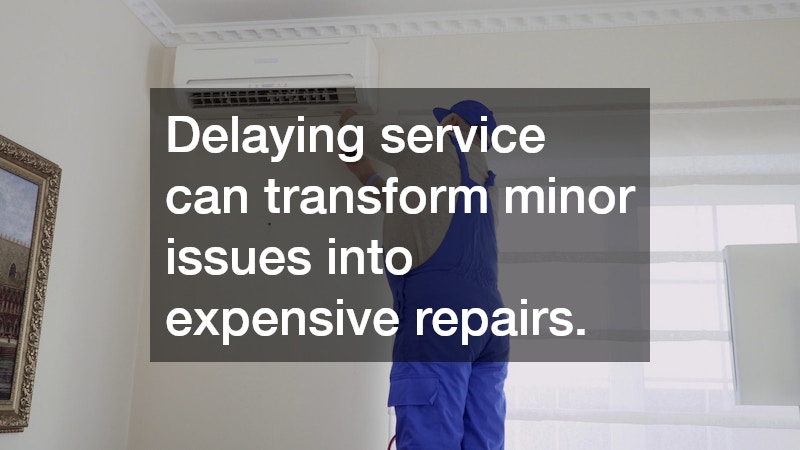
Delaying service can transform minor issues into expensive repairs. For example, a clogged air filter may seem insignificant at first, but it can restrict airflow and cause the system to overheat. Over time, that strain can damage internal components.
Refrigerant leaks are another example. If refrigerant levels drop, the system cannot effectively cool your home. Running the unit in this condition can damage the compressor — one of the most expensive parts to replace.
Preventive care is always more affordable than emergency services. Addressing issues early often results in simpler, less costly solutions. In many cases, a small repair today can prevent a major replacement tomorrow.
What Happens During a Service Visit
If you’ve never scheduled a professional service before, you might wonder what the process involves. A typical appointment begins with a conversation. The technician will ask about the symptoms you’ve noticed, such as unusual sounds, inconsistent cooling, or rising energy bills.
Next comes a thorough inspection. The technician will examine key components, including the thermostat, air filter, condenser coils, evaporator coils, refrigerant levels, and electrical connections. They may also test airflow and measure temperature differentials to assess performance.
Diagnostic tools help pinpoint the exact issue. Rather than guessing, professionals rely on equipment designed to identify electrical faults, pressure imbalances, and mechanical wear. This ensures that the underlying problem — not just the symptom — is addressed.
Once the issue is identified, the technician will explain their findings. You should receive a clear overview of what needs to be done, how long it will take, and what the cost will be. Transparency is a hallmark of reputable service providers.
Depending on the issue, repairs may be completed during the same visit. Simple fixes like replacing capacitors, tightening electrical connections, or cleaning coils can often be handled immediately. More complex problems may require ordering parts and scheduling a follow-up appointment.
How to Prevent Future Breakdowns
One of the simplest steps is regularly replacing your air filter. Dirty filters restrict airflow and force the system to work harder than necessary. Most households should change filters every one to three months, depending on usage and indoor conditions.
Scheduling annual maintenance is another effective strategy. During a routine tune-up, a technician will clean components, check refrigerant levels, inspect electrical connections, and ensure that all parts are operating correctly. Preventative service helps catch small issues before they escalate.
Keep the outdoor unit clear of debris. Leaves, dirt, and grass clippings can accumulate around the condenser, restricting airflow and reducing efficiency. Maintaining at least two feet of clearance around the unit promotes proper ventilation.
Monitoring your thermostat settings also plays a role. Installing a programmable or smart thermostat can help maintain consistent temperatures without overworking the system. Avoid drastic temperature changes that force the unit to run continuously.
Finally, pay attention to how your system sounds and performs. Early awareness allows you to respond quickly if something seems off. If you suspect a developing problem, calling for AC repair before it worsens can extend the life of your equipment and protect your investment.
With regular maintenance, simple preventative steps, and attention to early warning signs, you can keep your cooling system operating smoothly for years to come. When in doubt, addressing issues quickly is always the smarter choice for your home, your budget, and your peace of mind.