Buying a home is one of the most exciting milestones in life, but the first year of ownership often comes with surprises that no walkthrough can fully prepare you for. Systems you didn’t think about during the buying process suddenly become central to your daily comfort, safety, and budget. From climate control and water systems to structural upkeep and future upgrades, new homeowners are quickly introduced to a long list of responsibilities. Without a clear plan, it is easy to feel overwhelmed, reactive, and unsure which issues deserve immediate attention versus long-term planning.
The first year is especially important because it sets the tone for how you manage your home moving forward. Early decisions around inspections, maintenance schedules, and upgrades can prevent small issues from becoming costly emergencies. This period is also when homeowners gain a deeper understanding of how their home actually functions throughout different seasons. Learning when to act, who to call, and how to prioritize projects gives you confidence and reduces stress as responsibilities pile up.
This playbook is designed to help new homeowners organize that first year with intention. Instead of reacting to problems as they arise, you will learn how to anticipate needs, plan repairs logically, and make smart upgrades that support long-term value. Each section focuses on a major home system or decision point you are likely to encounter early on, offering practical guidance to help you move forward with clarity and control.
Another important aspect of first-year homeownership is learning how to shift your mindset from buyer to caretaker. During the purchase process, attention is often focused on closing dates, inspections, and move-in logistics. Once the keys are in hand, however, the responsibility of preserving and improving the property becomes ongoing. Many first-time homeowners underestimate how quickly small issues can surface when a home is lived in daily. Seasonal changes, regular usage, and minor wear can reveal weaknesses that were not apparent during inspections. Recognizing this transition early helps homeowners approach maintenance with patience rather than frustration.
This adjustment period is also an opportunity to develop strong organizational habits. Creating maintenance logs, saving service records, and setting reminders for routine checkups can dramatically reduce stress. Instead of scrambling to remember when a system was last serviced, homeowners gain clarity through documentation. This organization supports smarter decision-making and helps prioritize tasks when multiple needs arise at once. Over time, these habits turn homeownership into a predictable routine rather than a constant source of surprises. By embracing the caretaker role early, new homeowners position themselves for smoother experiences, greater confidence, and long-term satisfaction with their investment.
Understanding Cooling Systems and Seasonal Readiness
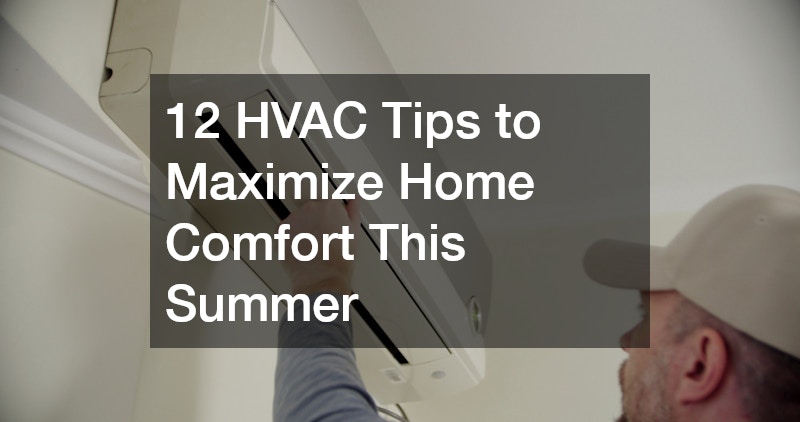
One of the first systems new homeowners notice is their cooling system, especially as temperatures rise. Early evaluation of your HVAC setup helps ensure comfort and efficiency before peak demand seasons arrive. Scheduling a professional assessment allows you to identify wear, airflow issues, or outdated components before they cause discomfort or disruption. Addressing concerns proactively makes the home feel stable and dependable.
Many homeowners delay air conditioning repair until a breakdown occurs, but early inspections can reveal minor issues that are far easier to address when systems are not under heavy strain. Filters, thermostats, and ductwork all play a role in performance, and learning how they interact gives you better control over indoor comfort. Understanding these basics also helps you communicate more effectively with service professionals when questions arise.
Seasonal readiness extends beyond comfort to budget planning. Knowing the condition of your system allows you to anticipate future costs and avoid emergency calls. A well-maintained cooling system supports energy efficiency, protects indoor air quality, and reduces stress during the warmest months. Treating cooling as a priority in your first year builds a foundation for predictable maintenance instead of surprise expenses.
Building a Reliable Plumbing Maintenance Strategy

Plumbing systems are easy to overlook until something goes wrong, which is why early attention is so important. New homeowners benefit from learning the layout of pipes, shutoff valves, and fixtures as soon as possible. Familiarity with your system allows you to respond quickly to leaks or pressure issues before they escalate into major damage.
Establishing a relationship with a plumber early in homeownership can save time and stress later. Routine inspections help identify aging components, slow leaks, or water pressure irregularities that are not immediately obvious. These small discoveries often prevent larger issues that could disrupt daily routines or damage finishes.
Plumbing maintenance also supports long-term planning. Understanding the condition of your pipes and fixtures helps you schedule upgrades logically instead of reacting to failures. This approach protects your investment and creates confidence in managing one of the most essential systems in your home. When plumbing is organized and predictable, homeowners can focus on other priorities with peace of mind.
Managing Water Supply Systems in Rural or Private Settings
Homes that rely on private water systems require a different level of attention during the first year. Understanding how your water source operates, how it is maintained, and what warning signs to watch for is critical. These systems often function quietly until an issue arises, making early education essential.
Addressing well pump repairs promptly is key to maintaining consistent water pressure and reliable access. New homeowners should learn how their pump cycles, what sounds are normal, and which symptoms indicate a problem. This knowledge allows for quicker responses and more informed conversations with professionals when service is needed.
It is also helpful to understand the role of local well drilling companies in system maintenance and upgrades. Even if drilling is not immediately necessary, knowing who services your area provides reassurance. Private water systems require proactive care, and early familiarity empowers homeowners to protect both water quality and system longevity throughout the year.
Protecting Structural Integrity Through Early Inspection

Structural components often feel less urgent than visible systems, but they play a critical role in long-term home health. The first year is the ideal time to assess exterior elements, especially after experiencing seasonal changes. Early evaluation helps identify vulnerabilities that could worsen if left unaddressed.
Roof repairs are a common first-year discovery, particularly after heavy rain, wind, or snow. Minor issues such as loose shingles or flashing gaps can often be addressed quickly when caught early. Waiting too long can allow water intrusion that affects insulation, ceilings, and framing.
Routine exterior inspections build awareness and confidence. When homeowners understand how weather affects their structure, they can plan maintenance logically instead of reacting to damage. Protecting the roof and exterior surfaces early supports the entire home and prevents cascading problems that disrupt comfort and finances.
Coordinating HVAC Performance and Energy Efficiency
Beyond basic cooling, homeowners should evaluate overall HVAC efficiency during the first year. Performance issues often appear gradually, making them easy to ignore until energy bills rise or comfort declines. Understanding system behavior across seasons allows for smarter decisions.
Air conditioner repairs are often more manageable when handled early. Minor airflow restrictions, sensor issues, or refrigerant concerns can impact efficiency without causing immediate failure. Learning to recognize subtle performance changes empowers homeowners to act before problems escalate.
Efficiency planning also supports long-term upgrades. When homeowners track system performance, they gain insight into when replacement or enhancement makes sense. This strategic approach avoids rushed decisions and supports budgeting for future improvements that align with energy goals.
Ensuring Hot Water Reliability and Household Comfort
Hot water systems affect daily routines more than many homeowners realize. In the first year, it is important to understand your system’s capacity, recovery time, and maintenance needs. Early evaluation helps prevent sudden disruptions that interfere with comfort and hygiene.
Scheduling water heater repair when minor issues appear can extend system life and improve performance. Sediment buildup, temperature fluctuations, or unusual noises often signal maintenance needs that are easier to address early. Proactive care prevents sudden failures that require emergency solutions.
Hot water planning also supports household efficiency. When homeowners understand usage patterns, they can adjust habits or plan upgrades that align with family needs. Reliable hot water contributes to comfort and predictability, making it a foundational element of first-year home management.
Planning Interior Improvements With Purpose
Many new homeowners want to personalize their space, but timing matters. Understanding which projects should wait and which can be addressed early helps prevent disruption. The first year is ideal for planning rather than rushing into cosmetic changes.
Consulting a local remodeler during the planning phase helps align ideas with structural realities. Even if projects are scheduled later, early input clarifies feasibility, timelines, and preparation needs. This prevents costly changes or delays once work begins.
Thoughtful planning ensures that improvements support lifestyle needs rather than impulse decisions. When remodeling aligns with maintenance schedules, homeowners avoid unnecessary duplication of work. Strategic planning transforms upgrades into long-term investments instead of short-term fixes.
Coordinating Larger Projects and Professional Support

Some improvements require broader coordination and long-term planning. Larger upgrades often involve multiple systems, permits, and timelines that benefit from professional guidance. Understanding this early helps homeowners pace projects realistically.
Working with a renovation company can provide structure when planning complex improvements. Even preliminary consultations help homeowners understand sequencing, budget considerations, and potential challenges. This clarity reduces uncertainty and supports informed decision-making.
Large projects are most successful when integrated into overall home planning. Coordinated upgrades reduce disruption and ensure systems work together efficiently. Taking a measured approach during the first year allows homeowners to prepare financially and emotionally for larger changes.
Preparing for Modern Energy and Technology Upgrades

Technology-driven upgrades are increasingly popular among new homeowners. These improvements often require electrical planning and coordination with existing systems. Early evaluation helps avoid compatibility issues later.
Installing a home tesla ev charger, for example, involves assessing electrical capacity and usage patterns. Planning this upgrade early allows homeowners to coordinate electrical improvements with other projects. This integrated approach saves time and reduces installation complications.
Technology upgrades should align with long-term goals. When homeowners plan early, they avoid rushed decisions and ensure systems support evolving needs. Thoughtful integration of modern features enhances convenience while preserving system stability.
The first year of homeownership is a period of learning, adjustment, and foundation-building. While it can feel overwhelming at times, it is also an opportunity to establish habits and systems that make future years far easier to manage. By understanding how your home functions and planning repairs, maintenance, and upgrades intentionally, you move from reactive problem-solving to confident ownership.
Each system in your home is connected, and decisions made early often influence comfort, costs, and value for years to come. When homeowners prioritize inspections, build professional relationships, and plan improvements strategically, they reduce stress and avoid unnecessary surprises. The goal is not to do everything at once, but to know what matters most and when to act.
With a clear playbook, new homeowners can navigate their first year with clarity and purpose. Thoughtful planning transforms challenges into manageable tasks and builds confidence with every decision. By investing time in organization now, you create a home that supports your lifestyle, protects your investment, and grows with you well beyond the first year.
As the first year comes to a close, many homeowners realize just how much they have learned about their property. What once felt unfamiliar becomes manageable through experience, observation, and planning. Each inspection, service appointment, and upgrade adds to a growing understanding of how the home operates as a system. This knowledge becomes one of the most valuable tools a homeowner can have, allowing future decisions to be made with greater confidence and less uncertainty. The challenges of the first year often give way to a sense of control and preparedness.
Looking ahead, the habits established during this early period continue to pay off. Regular maintenance schedules, trusted professional contacts, and thoughtful planning reduce the likelihood of emergencies and rushed decisions. Homeownership becomes less about reacting to problems and more about maintaining stability and comfort. By taking the time to organize repairs, maintenance, and upgrades from the beginning, homeowners create a sustainable approach that supports both daily living and long-term goals. The effort invested in the first year lays the groundwork for a home that remains reliable, efficient, and enjoyable for years to come.