How to Take Care of Your HVAC System After Winter
Winter can be one of the toughest seasons for a home HVAC system. Months of cold temperatures, fluctuating humidity, snow, ice, and heavy system usage place stress on nearly every component. By the time spring arrives, your heating and cooling equipment may be operating with hidden wear, reduced efficiency, or minor damage that could turn into expensive problems if ignored.
Transitioning from winter to warmer weather is an ideal time to give your HVAC system the attention it needs. Proper post winter care improves performance, lowers energy bills, enhances indoor air quality, and helps extend the lifespan of your equipment. It also prepares your system for the increased cooling demands of spring and summer, when reliability becomes especially important.
If you live in a cooler region and regularly use your heater throughout the season, these helpful tips can help you prepare for the warmer times. Being able to take care of your system allows you to keep it clean and in good working order to prevent future problems and costly breakdowns.
Inspect Your HVAC System for Winter Damage
Winter weather can cause subtle or obvious damage to HVAC systems, particularly to outdoor components and exposed connections. Freezing temperatures, ice buildup, snow accumulation, and strong winds place repeated stress on system materials. Over time, this stress can loosen access panels, crack insulation around wiring or refrigerant lines, and weaken seals that protect sensitive electrical components. Even a single severe storm can create damage that goes unnoticed until the system is pushed harder during warmer weather.
Begin with a careful visual inspection of both indoor and outdoor equipment. Look closely for rust, corrosion, loose fasteners, bent fins, or signs of moisture damage. Outdoor units may show evidence of ice expansion or debris impact, while indoor components can reveal issues caused by condensation or fluctuating temperatures. Inside the home, check the furnace or air handler area for water stains on floors or walls, unusual odors when the system runs, or loose wiring connections. These signs may indicate drainage problems, electrical wear, or insulation breakdown that occurred during winter operation.
Outside, inspect the condenser or heat pump for physical damage caused by ice, snowdrifts, or falling branches. Verify that the unit is level and that no panels are missing or warped. Look for crushed or exposed refrigerant lines and damaged insulation, as these issues can reduce efficiency and lead to refrigerant loss. Clearing away remaining debris allows for a more accurate assessment of the unit’s condition.
While homeowners can spot many surface level issues, trained HVAC contractors are better equipped to identify internal damage that is not visible to the untrained eye. Technicians can evaluate electrical components, test system pressures, and assess motors and coils that may have been affected by prolonged winter use. Professional inspections ensure that winter related wear is addressed early before it escalates into system failure during peak cooling months.
Replace or Clean Air Filters After Heavy Winter Use
Air filters work continuously throughout winter to capture dust, pet dander, allergens, and debris pulled into the system. During colder months, systems often run longer cycles, which means filters become clogged faster than many homeowners realize.
A dirty filter restricts airflow, forcing the system to work harder to maintain indoor temperatures. This added strain can increase energy consumption, reduce comfort, and contribute to premature equipment wear. Replacing or cleaning filters immediately after winter is one of the simplest and most effective maintenance steps.
Most standard filters should be replaced every one to three months, depending on household conditions. Homes with pets, allergies, or higher occupancy may need more frequent changes. Washable filters should be cleaned thoroughly and allowed to dry completely before reinstallation.
Including filter replacement as part of seasonal heating inspections helps ensure proper airflow and system efficiency. Clean filters also improve indoor air quality as the home transitions into spring when pollen and outdoor allergens increase.
Clear Debris From Outdoor Units and Surrounding Areas
Outdoor HVAC units are exposed to the elements year round, and winter often leaves behind debris that can interfere with operation. Leaves, twigs, dirt, and even trash can accumulate around the condenser or heat pump, restricting airflow and trapping moisture.
Start by clearing at least two feet of space around the outdoor unit. Remove leaves, branches, and debris from the base and sides. Check for ice damage, bent fins, or signs that animals may have nested nearby during colder months.
Gently rinse the exterior of the unit with a garden hose to remove dirt buildup. Avoid using high pressure water, which can damage delicate fins. Straightening bent fins with a fin comb can further improve airflow.
Clear outdoor units operate more efficiently and reduce the risk of overheating when cooling demand increases. Many homeowners include this step as part of routine air conditioning services to ensure optimal system performance before summer arrives.
Check Thermostat Settings and Calibration
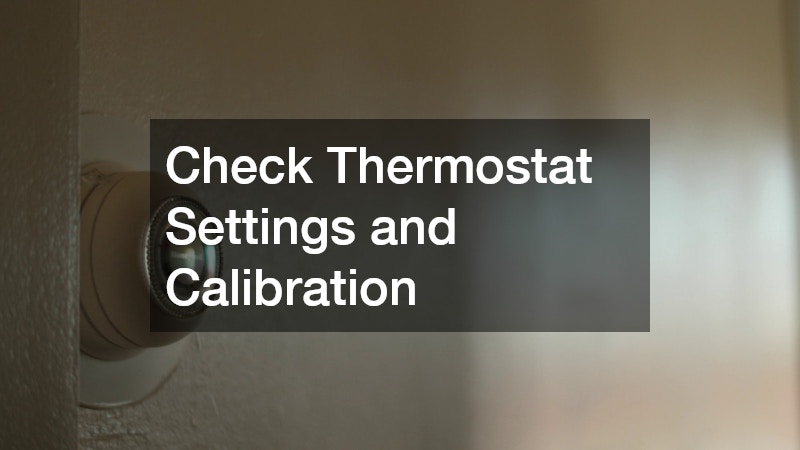
Your thermostat is one of the most important elements in HVAC performance and energy efficiency because it gives you direct control of when and how long your heating system operates. After months of winter heating, thermostat settings may need adjustment to better align with spring and summer comfort needs. Seasonal changes in daylight, humidity, and outdoor temperature all affect how the system should respond to maintain a comfortable indoor environment.
Start by reviewing temperature schedules and programming. Many homes rely on programmable or smart thermostats that automatically adjust settings throughout the day. Adjust set points to reflect warmer daytime temperatures and slightly cooler evenings to reduce unnecessary cooling cycles. If your household routine changes with the season, such as different work schedules or more time spent outdoors, updating the thermostat schedule helps prevent energy waste while maintaining comfort.
If using a programmable or smart thermostat, confirm that seasonal schedules are updated correctly and that the system is set to cooling mode rather than heating or auto settings that may cause confusion. Smart thermostats should also be checked for software updates, as outdated firmware can affect performance, responsiveness, and compatibility with HVAC equipment.
Calibration is equally important and often overlooked. A thermostat that reads temperatures inaccurately can cause short cycling, extended run times, or uneven cooling throughout the home. Place a reliable thermometer near the thermostat and compare readings over several hours. Even small temperature differences can impact energy usage and comfort. If there is a noticeable discrepancy, recalibration or replacement may be needed to restore accurate control.
In addition, inspect the thermostat’s physical condition. Dust buildup inside the unit can interfere with sensors, while loose wiring or aging components may lead to inconsistent operation. Battery powered thermostats should have fresh batteries installed at the start of the cooling season to avoid unexpected shutdowns.
Faulty thermostat performance is a common reason homeowners seek air conditioning repair services, as control issues often mimic larger system problems. Ensuring accurate temperature control improves comfort, reduces energy waste, and allows the HVAC system to operate as designed throughout the warmer months.
Examine Ductwork for Leaks or Blockages
Ductwork serves as the delivery system for heated and cooled air, yet it is often overlooked during seasonal maintenance. Winter temperature fluctuations can cause duct materials to expand and contract, leading to loose connections, cracks, or leaks.
Inspect visible ductwork in basements, attics, and crawl spaces. Look for disconnected sections, damaged insulation, or dust accumulation near joints which may indicate air leaks. Blockages caused by debris or pests can also restrict airflow and reduce system efficiency.
Leaky ducts allow conditioned air to escape before reaching living spaces, forcing the system to work harder and increasing utility costs. Sealing and insulating ducts improves airflow balance and overall comfort.
Proper duct maintenance supports both cooling and heating performance, ensuring that energy is delivered efficiently throughout the home regardless of the season.
Schedule a Professional Spring HVAC Tune-Up
Spring is one of the best times to schedule professional HVAC maintenance. A seasonal tune up addresses winter wear while preparing the system for increased cooling demand.
During a tune up, technicians clean coils, inspect electrical components, lubricate moving parts, check refrigerant levels, and test safety controls. This thorough service helps identify small issues before they become costly repairs.
Homes with newer technologies such as heat pump mini split systems benefit greatly from professional maintenance. These systems rely on precise controls and clean components to operate efficiently, making routine service essential for performance and longevity.
Scheduling maintenance early in the season helps avoid long wait times and ensures your system is ready before summer temperatures arrive.
Test Your System Before Peak Cooling Season Begins

Before hot weather sets in, it is important to test the HVAC system under cooling conditions. Switching from heat to cooling allows homeowners to identify performance issues early when repairs can be scheduled without urgency.
Turn the system to cooling mode and allow it to run for a full cycle. Pay attention to airflow strength, temperature consistency, and how quickly the home cools. Check that the outdoor unit starts smoothly and operates quietly.
Uneven cooling, weak airflow, or delayed startup may indicate problems with components or ductwork. Addressing these issues early helps prevent breakdowns during heat waves.
Many homeowners combine system testing with air duct cleaning services to remove accumulated dust and debris that may affect airflow and indoor air quality as cooling usage increases.
Clean Vents and Registers to Improve Airflow
Supply and return vents play a key role in distributing conditioned air throughout the home. During winter, vents often collect dust, pet hair, and debris that can restrict airflow and reduce efficiency.
Remove vent covers and clean them with warm water and mild detergent. Vacuum inside duct openings to remove visible dust buildup. Ensure that furniture, rugs, or curtains are not blocking vents.
Improved airflow allows the HVAC system to distribute air evenly, reducing hot and cold spots and improving overall comfort. Clean vents also help reduce allergens and odors as windows open and close more frequently during spring.
This step complements routine heating services and cooling maintenance by ensuring that air delivery points remain unobstructed and effective.
Listen for Unusual Noises or Performance Issues
Unusual sounds often provide early warning signs of HVAC problems. After winter, components that experienced heavy use may begin to show signs of wear through noise or vibration.
Listen for rattling, grinding, buzzing, or squealing sounds when the system starts or runs. These noises may indicate loose parts, worn belts, motor issues, or electrical problems. Changes in system behavior, such as short cycling or inconsistent temperatures, should also be noted.
Ignoring these warning signs can lead to system failure during peak usage periods. Prompt evaluation and repair help maintain reliability and efficiency.
Addressing unusual sounds early through professional HVAC system repairs reduces the risk of emergency breakdowns and helps extend equipment lifespan.
Prepare Your HVAC System for Increased Spring and Summer Demand
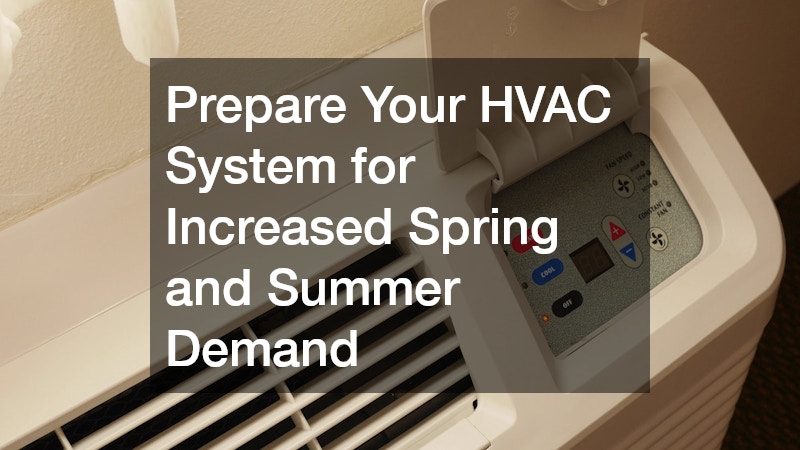
As temperatures rise, HVAC systems transition from intermittent winter use to more consistent cooling operation. Preparing the system for this increased demand improves performance and reduces the likelihood of failure.
Ensure all maintenance steps are completed, including filter replacement, cleaning, inspections, and testing. Review energy usage habits and consider efficiency upgrades if the system struggles to maintain comfort.
For homes with older equipment, addressing minor issues now can prevent larger problems later. Components such as blowers, motors, and ignition systems may require adjustment or repair after winter use.
Proper preparation also includes evaluating the furnace. Even though heating demand decreases, ensuring that the furnace is in good condition supports overall system balance. Scheduling furnace repair when needed helps maintain reliable operation for the next heating season while supporting system efficiency year round.
Caring for an HVAC system after winter is an essential part of responsible homeownership. Cold weather places significant strain on heating and cooling equipment, and neglecting post winter maintenance can lead to inefficiency, discomfort, and costly repairs.
By inspecting for damage, replacing filters, clearing debris, checking thermostat settings, and addressing ductwork issues, homeowners can restore system performance and prepare for warmer months. Professional maintenance, system testing, and timely repairs further enhance reliability and energy efficiency.
A well maintained HVAC system provides consistent comfort, cleaner indoor air, and lower operating costs throughout spring and summer. Taking proactive steps now ensures peace of mind and helps protect one of the most important systems in your home for years to come.