
When the temperature drops and the wind starts rattling the windows, something shifts inside the house. Suddenly the living room feels like the center of the universe, the kitchen smells better than any restaurant, and the couch becomes prime real estate. Winter has a way of pulling families closer, whether you planned it or not.
But let’s be honest. A long season indoors can also feel like a long season indoors. The novelty of hot cocoa wears off by week three, and someone always ends up staring at a screen while someone else complains about being bored. The question isn’t whether to spend time together inside — it’s how to do it in a way that actually feels good.
This piece looks at the choices families face when the cold settles in. Which activities really bring people together? Which ones just fill time? And how do you balance fun with the practical side of keeping a warm, comfortable home? Let’s weigh the options.
Why Indoor Time Matters More Than We Admit
There’s a tendency to treat winter as something to survive rather than enjoy. We rush from the car to the front door, crank the thermostat, and wait for spring. But those indoor months can be some of the most memorable of the year — if you lean into them.
Social connection during the colder months isn’t just a nice bonus. According to the American Psychological Association, talking with friends and family is the top coping strategy Americans turn to during winter, with 46% choosing it over other options like sleeping more or getting outside. That tells you something. Conversation and togetherness aren’t just entertainment — they’re how people get through the darker months.
So the real comparison isn’t between “doing something” and “doing nothing.” It’s between activities that bring everyone into the same room and activities that scatter everyone to separate corners. The first kind tends to pay off.
Classic Games or New Traditions?
Board games are the obvious winter default, and for good reason. They force eye contact, laughter, and the occasional friendly argument. But not every family clicks with the same games, and leaning too hard on the classics can get stale.
Here’s a comparison worth making at your own kitchen table. Traditional games like Monopoly or Scrabble reward patience and strategy, while newer cooperative games like Pandemic or Forbidden Island ask the whole family to work together instead of competing. One style sparks rivalry. The other builds teamwork. Both have value, and mixing them keeps winter nights interesting.
Some options to rotate through:
- Classic strategy games for longer afternoons
- Cooperative games when you want everyone on the same team
- Quick card games for shorter attention spans
- Trivia nights with homemade questions about family history
- Puzzle marathons spread across a weekend
Picking Games That Actually Fit Your Family
The mistake most people make is buying games based on reviews instead of personality. A quiet family might hate a loud party game. A competitive family might find cooperative games boring. Pay attention to how your household actually behaves, and choose accordingly. The best game is the one that gets pulled off the shelf twice.
Cooking Together Beats Cooking Alone
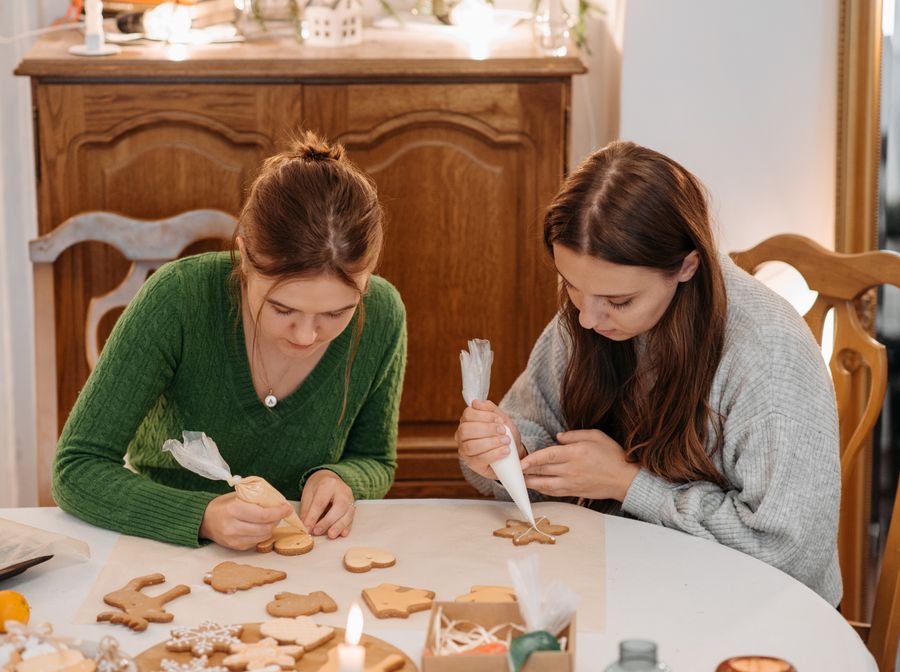
Kitchens get busy in winter, and that’s a good thing. Baking bread, simmering soup, decorating cookies — these are the kinds of projects that reward slow afternoons. More importantly, they give kids something to do with their hands besides scrolling.
Cooking together also shifts the dynamic. Instead of one person stuck prepping dinner while everyone else lounges, the work becomes the activity. You can compare this to ordering takeout or eating separately — convenient, sure, but you lose the shared experience entirely. Fewer dishes, fewer memories.
A few family-friendly kitchen projects worth trying:
- A themed dinner night where each person picks a dish from a different country
- Homemade pizza bar with every topping imaginable
- A baking competition judged by whoever isn’t participating
- Slow-cooker experiments where you throw things in and hope for the best
- Hot chocolate tasting with different milks, cocoas, and toppings
Teaching Kids to Own a Recipe
Give a child a recipe that’s entirely theirs — not one they help with, but one they own — and something changes. They take pride in it. They want to make it again. By the end of winter, you might have a kid who can actually cook, which is a gift that outlasts the season.
Creative Projects and Cozy Lifestyle Ideas
Craft time gets a bad rap because it sounds like something you do with preschoolers. But creative projects work for every age, and they pair beautifully with a warm room and a mug of something hot. Painting, knitting, model building, scrapbooking — all of it counts.
The comparison here is between passive and active entertainment. Watching a movie is fine. Making something while a movie plays in the background is better, because at the end of the night you have something to show for your time. Creative Lifestyle Ideas like these also tend to spark conversation in ways that passive screen time doesn’t.
Consider putting together a winter project bin with:
- Watercolor paints and thick paper
- Yarn and basic knitting or crochet supplies
- Model kits for building ships, planes, or castles
- Journals for sketching or writing
- Simple woodworking or birdhouse kits
If you want creative time to really take off, keep the supplies visible. A bin tucked in the back of a closet never gets used. A basket on the coffee table does.
Keeping the House Comfortable While You Play
None of these activities land right if the house itself feels cold and drafty. Comfort is the foundation. And here’s where a lot of families overlook a crucial piece of the puzzle: the condition of the home itself affects how much you enjoy your time in it.
According to the U.S. Department of Energy, between 10% and 20% of yearly energy costs are wasted on drafts, leaky openings, and aging heating equipment. That’s money leaving through your windows while you try to enjoy a movie night. A quick walk through the house with a candle or incense stick can show you exactly where cold air sneaks in. Seal those spots and the whole room feels different.
This is where a solid winter home maintenance checklist comes in handy. Running through simple steps to stay warm all season — checking insulation, swapping furnace filters, sealing window gaps — makes the house itself part of your comfort strategy. Older homes especially benefit from this kind of attention, since air leaks can account for 25 to 40 percent of heating costs in a typical older home, according to DIY home maintenance resources.
Small Upgrades That Pay Off All Winter
You don’t need a renovation to make a noticeable difference. Thick curtains trap heat near the windows. Area rugs warm up cold floors. Draft stoppers at the base of doors block the sneaky cold air that creeps in overnight. These are low-effort fixes that make the house feel genuinely cozier within a day.
Movie Marathons Versus Reading Nights
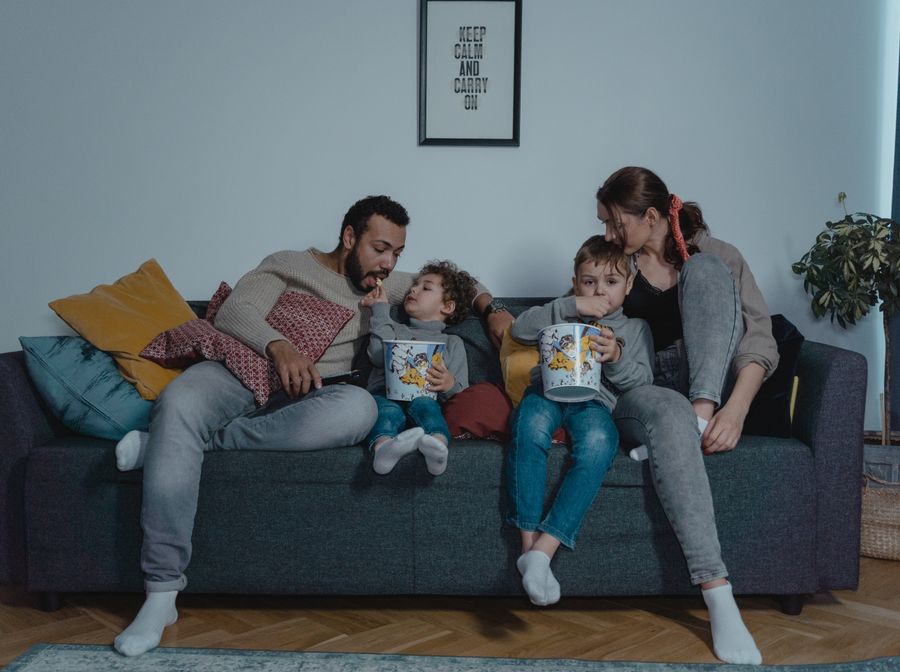
Here’s a debate every household has at some point: do you gather around a screen or scatter around the room with books? Both have their place, and the smart move is probably doing both at different times.
Movie marathons bring everyone into one room and build shared references — inside jokes, favorite lines, running gags. Reading nights are quieter, but there’s something peaceful about a whole family absorbed in different books with a fire going. Compare the two honestly. Movies create shared memories. Reading creates individual reflection. Winter has room for both.
To make movie nights feel special rather than lazy:
- Pick a theme for the month — classic comedies, adventure films, holiday favorites
- Set up proper snacks instead of just grabbing chips
- Dim the lights and treat it like a real event
- Rotate who picks the film each week
- Skip second screens during the show
Lighting matters more than people realize. Switching to softer bulbs makes the room feel more like a den and less like an office. It’s also easy on the bills — LED bulbs use up to 75% less energy than traditional ones according to energy efficiency guidance from Direct Energy, which means you can leave the cozy ambient lighting on all evening without flinching at the meter.
Conclusion
Winter doesn’t have to be something you endure. The right mix of activities turns it into one of the most connected seasons of the year. Comparing the options — games versus cooking, movies versus books, passive versus creative — shows that the best approach usually involves rotating between them rather than picking just one.
What ties all of this together is the house itself. A home that’s warm, well-sealed, and softly lit changes how every activity feels. The same board game that’s miserable in a drafty room is wonderful in a cozy one. The comfort of the space does half the work for you.
So lean into the season. Build in a mix of together time and quiet time. Fix the drafts, light the candles, pull out the games, and let the long evenings become something you look forward to rather than wait out. The season rewards the families who settle in and make the most of it, and punishes the ones who treat their own living room like a waiting area. Choose the first approach, and by the time spring comes around, you’ll almost be sorry to see winter go.