Key Takeaways
- Thoughtful planning and a clear priority list prevent overspending and wasted purchases when upgrading your yard
- Secondhand marketplaces, pallet projects, and seasonal clearance sales offer massive savings compared to buying everything new
- String lights, container gardens, and painted concrete can transform a dull patio for under a hundred dollars
- DIY projects deliver the best value for simple features, while complex builds like decks or fire pits may justify professional help
- Multi-functional furniture and modular layouts stretch small spaces and small budgets further than oversized pieces
- Weather protection and durable materials matter more than trendy aesthetics when every dollar counts
- Comparing paver patios, gravel pads, and deck tiles reveals big differences in cost, labor, and long-term maintenance
Why Your Backyard Deserves a Second Look
Most people treat their backyard like an afterthought. The lawn gets mowed, the grill comes out a few times a summer, and that’s about it. Meanwhile, that same square footage could be functioning as a second living room, a dining area, or a quiet retreat from screens and chaos indoors.
The appetite for better backyards is real. According to This Old House, the top reasons homeowners update these spaces include improving looks (51%), creating entertainment areas (37%), and extending usable square footage (33%). People want more from their yards. The question is how to deliver that upgrade without draining savings.
Here’s the good news. You don’t need a five-figure renovation to make your yard feel like a destination. You just need a smart plan, a realistic budget, and a willingness to compare options before you spend.
What Should You Spend Before You Start Buying?
Setting a budget sounds boring, but it’s the single biggest factor separating people who love their results from people who regret them. Angi reports that the average backyard upgrade runs about $7,800, with projects ranging from $1,500 all the way to $180,000. That spread tells you everything. The same backyard goal can cost twenty times more depending on choices.
Before you buy a single string light or paver, write down your absolute must-haves versus your nice-to-haves. A seating area for four might be essential, while a built-in pizza oven is probably a fantasy for later. Separating needs from wants protects your wallet from impulse decisions at the garden center.
Consider these budget tiers when planning your project:
- Under $500: paint refresh, container plants, string lights, thrifted furniture
- $500 to $2,000: gravel patio, DIY pergola, fire bowl, basic shade sail
- $2,000 to $5,000: paver patio, mid-range furniture set, outdoor rug and lighting system
- $5,000 and up: deck build, pergola with electrical, built-in seating
Knowing your tier upfront keeps you from falling in love with features you can’t afford.
Comparing Flooring Options for Patios and Decks
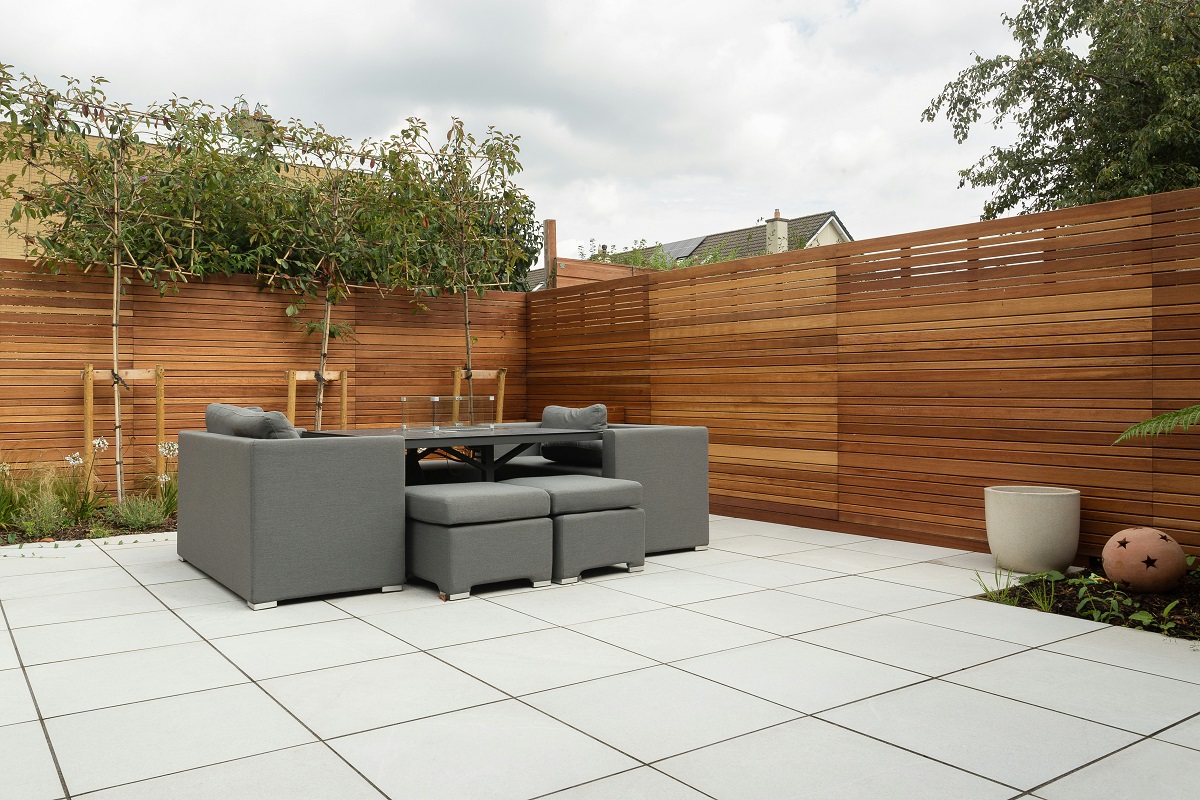
The surface under your feet eats up a huge chunk of any backyard budget. This is where comparison shopping pays off the most, and it’s worth slowing down before you commit to a material. A paver patio looks beautiful and lasts decades, but it comes with real costs that go beyond the price tag at the home improvement store. Lawn Love notes that installing a ground patio typically runs between $2,290 and $6,420 across the country. That’s a serious chunk of change if you’re trying to stay lean, and the number climbs quickly once you factor in site prep, base gravel, polymeric sand, edge restraints, and the labor hours required to level everything properly. Even DIYers who save on installation often underestimate how much the raw materials and tool rentals eat into the budget.
Gravel offers a dramatically cheaper alternative and remains one of the smartest outdoor living space ideas on a budget. For a few hundred dollars in materials, you can create a defined seating zone with pea gravel, decomposed granite, or crushed stone. It drains well, looks natural, suits almost any landscape style from cottage to modern desert, and requires almost no skill to install. A weekend of edging, leveling the base, laying landscape fabric, and spreading the stone is usually all it takes. The trade-off is maintenance. Gravel migrates toward the lowest spots, weeds poke through where the fabric tears, and chairs wobble unless you add a stabilizing grid underneath. Grid panels add a bit to the cost but keep the surface flat enough for a dining table and prevent the slow spread of stones into your lawn or flower beds.
Mulch is another option worth mentioning for seating nooks and fire pit areas. It’s the cheapest surface of all, often free from municipal chip drops, and it feels soft and informal underfoot. The downside is that it breaks down within a year or two and needs regular topping up.
Deck Tiles as a Middle Ground
Interlocking deck tiles have become a favorite for renters and homeowners alike, and they fit beautifully into a flexible outdoor living plan. They snap together over almost any flat surface, cost a fraction of a built deck, and come up just as easily when you move or redesign. Composite and wood options both exist, with teak, acacia, and ipe being popular wood choices and recycled plastic composites offering better weather resistance for shaded or wet climates. The installation requires zero tools, and most tiles use a simple grid base that tolerates minor imperfections in the slab below. For balconies, concrete slabs, or awkward side yards, they turn ugly surfaces into usable floor space fast. They’re also forgiving if you make a mistake, since you can lift a row, trim a tile with a handsaw, and relay the section in minutes. For anyone who wants the warmth of a finished deck without committing thousands of dollars or losing their security deposit, tiles hit a sweet spot that few other materials can match.
Furniture, Shade, and Decor Without the Markup
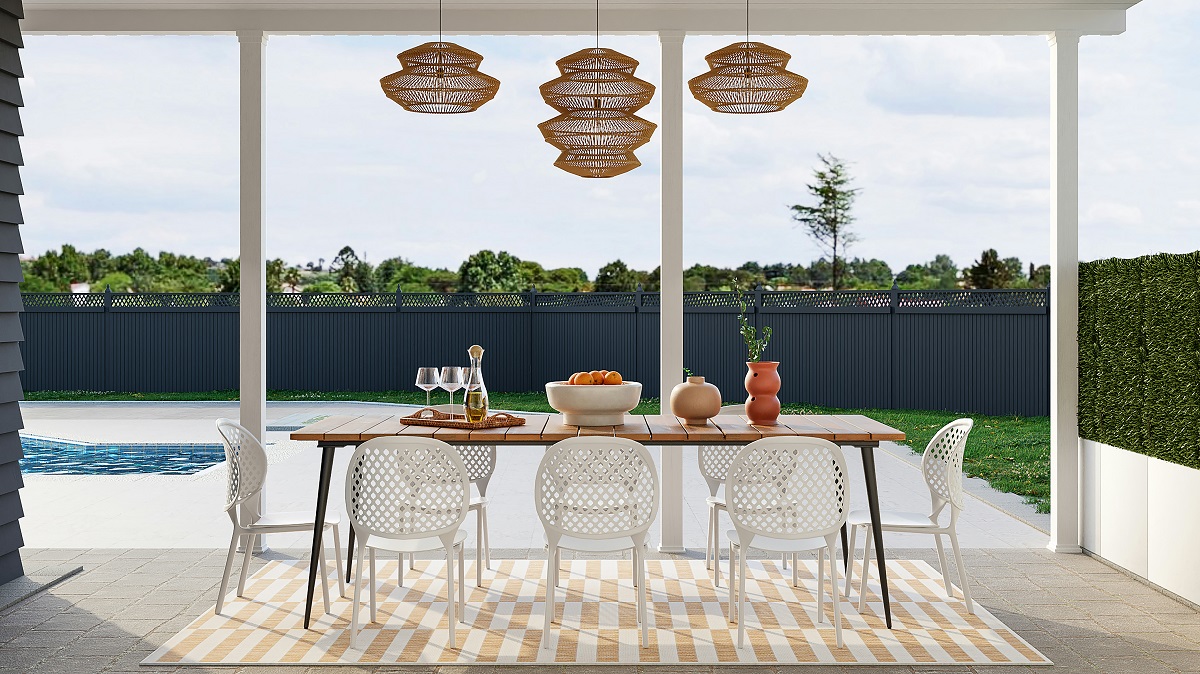
Patio furniture carries some of the heaviest markups in retail. A sectional at a big-box store can run $2,000 easily, while the same silhouette shows up on resale apps for $300 within weeks of someone moving. Patience is a budget tool, and so is a saved search on Facebook Marketplace, OfferUp, and Craigslist with alerts for terms like “patio,” “outdoor sectional,” and “wicker set.” The best deals often come from estate sales, downsizing retirees, and renters leaving properties at the end of the month, so checking listings on Sunday evenings and the last weekend of the month tends to pay off.
Start with these affordable outdoor living space ideas on a budget that deliver maximum visual impact for minimum cash:
- Shop end-of-season clearance in August and September for next year’s furniture, when retailers slash prices 50 to 70 percent to clear floor space
- Repaint tired metal chairs with rust-resistant spray paint in bold colors like matte black, deep teal, or terracotta for an instant designer feel
- Build a bench from cinder blocks and 4×4 posts for under $50, then soften it with an outdoor cushion wrapped in a drop cloth
- Hang curtains from a simple pipe frame to add softness, privacy, and shade, using inexpensive drop cloths from the hardware store hemmed with iron-on tape
- Group inexpensive terracotta pots in odd numbers for a layered garden look, mixing heights and plant textures for a collected-over-time feel
- Reupholster old cushion covers with outdoor fabric remnants instead of buying full replacement sets at $150 a pop
- Repurpose indoor items like wooden crates, enamel bowls, and vintage lanterns to add character without the “outdoor collection” price tag
Shade is another spending trap. Pergola kits can hit four figures fast, and permanent structures often need permits, inspections, and sometimes HOA approval that can stall a project for months. A triangular shade sail stretched between existing trees, fence posts, or 4x4s set in concrete footings delivers the same cooling effect for a fraction of the cost, often under $80 for the sail and hardware combined. Umbrellas with cantilever bases offer flexibility without any construction at all, and they can be angled throughout the day to chase shade across a patio or deck.
For an even more layered outdoor living feel, consider stacking shade solutions. A shade sail overhead paired with tall potted plants or a bamboo privacy screen on the west-facing side can drop the perceived temperature by ten degrees or more on a hot afternoon. String lights zigzagged beneath the sail do double duty, giving you cooling cover during the day and a warm glow after sunset for pennies in electricity. These small, stacked choices are what separate a patio that looks thrown together from one that feels intentional, without ever pushing the budget into uncomfortable territory.
Lighting and Ambiance That Punch Above Their Price
Nothing transforms a yard faster than good lighting. The difference between a plain concrete slab and a magical evening retreat often comes down to a $40 strand of bulbs. Warm white string lights draped overhead create instant atmosphere. Solar path lights line walkways without any wiring. Flickering LED candles mimic real flames safely around fabric cushions.
Before you drop money on lanterns and torches, do a quick audit of what’s already failing. Many homeowners discover failing backyard problems like poor drainage, damaged fencing, or dying trees that will undermine any decorative upgrade. Fix the bones first. Pretty lights can’t rescue a yard with standing water or a collapsing retaining wall.
Why Layered Lighting Beats a Single Fixture
One bright flood lamp washes everything out and creates harsh shadows. Three or four smaller light sources at different heights create depth and mood. Think about a candle on the table, string lights overhead, a lantern on the ground, and a soft glow near the planter. Each piece can be cheap. Together they look expensive.
DIY Versus Hiring Help: Where Does the Math Work?
Doing it yourself feels like the obvious money-saver, but that logic breaks down fast with complex projects. A simple raised garden bed takes an afternoon and $75 in lumber. A level paver patio of any size demands excavation, base prep, edge restraints, and real skill. Mess up the base, and the whole thing shifts in a season.
HBS Dealer reports that homeowners are now putting up to 25% of their improvement budgets toward their yards, even as costs rise. That signals real commitment, but it also means being strategic about where every dollar goes. Hiring a pro for the one project that would otherwise fail is often cheaper than redoing a botched DIY twice.
Here’s a quick way to decide what to tackle yourself:
- DIY-friendly: painting, planting, string lights, gravel pads, simple benches, container gardens
- Borderline: pergolas, raised decks under two feet, fence repairs, shade sail installation
- Hire out: electrical work, gas lines for fire features, large paver patios, retaining walls over three feet
Be honest about your skill level and your free weekends. A project half-finished for six months costs more in frustration than the pro quote you turned down.
Smart Features That Earn Their Keep
Some backyard additions pay you back in ways that go beyond looks. A fire pit extends your usable season by months on either end of summer. A small herb garden near the kitchen door saves grocery money and tastes better than anything bagged. A rain barrel cuts your water bill while keeping container plants happy during dry stretches.
Multi-functional furniture pulls similar double duty. A storage bench hides cushions when storms roll in and seats three when guests arrive. A folding bistro table tucks against the wall during the week and pops open for weekend brunches. Rolling planters let you chase sunlight or create privacy on demand.
Budget Backyard Upgrades That Add Real Value
Think of each purchase as either an experience generator or a problem solver. The best ones do both. A $60 hammock stand delivers hundreds of hours of use. A $120 propane fire bowl replaces an expensive built-in and travels with you if you move. A secondhand dining set for $200 hosts dozens of dinners over its lifetime.
Avoid gimmicks that look fun online but gather dust in practice. Giant inflatable pools, novelty tiki bars, and single-use decor rarely survive a second season. Spend on things you’ll touch every week.
Keeping It All Alive Through the Seasons
A beautiful setup falls apart quickly without basic protection. Fabric fades in direct sun, metal rusts in humid air, and untreated wood warps after one wet winter. A $30 cover for your furniture extends its life by years. A can of sealant on a wooden bench prevents cracking. Storing cushions in a deck box between uses doubles their lifespan.
Plan for the off-season before you need to. If you live where winter hits hard, make sure everything you buy can either come inside, fit under a cover, or handle freeze-thaw cycles without complaint. Cheap furniture that lasts one summer isn’t cheap at all. Mid-priced furniture you maintain for ten years is the real bargain.
Final Thoughts
Transforming your backyard without emptying your bank account comes down to three habits: planning before purchasing, comparing every option against cheaper alternatives, and choosing durability over trend. The homeowners who end up thrilled with their results aren’t the ones who spent the most. They’re the ones who matched smart choices to realistic budgets and gave each dollar a clear job to do.
Start small if you need to. A fresh coat of paint, a string of warm bulbs, and a thrifted chair can shift the whole feeling of a space in a single weekend. Add layers over months and seasons as funds allow. Watch for clearance sales, learn one new DIY skill at a time, and resist the urge to buy everything at once from the same showroom.
Your yard doesn’t need to look like a magazine spread to feel like a sanctuary. It just needs to feel like yours, and like somewhere you actually want to be. With patience, a sharp eye for deals, and a willingness to do some of the work yourself, that kind of space is well within reach for almost any budget.